Solutions
Multi-Domain Defense
Mesh, frequency-hopping and long-range links that keep air, ground and maritime platforms on one command network.
What this is
A defense mission rarely stays in one domain. Aircraft, ground vehicles, dismounted teams and vessels move through the same operation, and the link has to keep command, video and telemetry moving as the formation changes shape.
The catalog's mesh and frequency-hopping families carry that load: self-forming networks up to 64 nodes, per-hop range from 10 km to 300 km, and hopping models that move across the band when the spectrum is contested. Every model carries standard IP traffic, so payloads and command systems join the same network.
Selection factors
What to weigh before shortlisting a model.
Network shape: mesh or point-to-point
Mesh extends coverage hop by hop and survives a lost node; a direct link gives one aircraft the full airtime. Most defense architectures use both — mesh for the formation, a long-range direct link for the primary payload.
Range per hop and relay depth
Published range is per radio hop. A relay chain extends the network beyond a single hop, and each extra hop adds latency and shares airtime. Size the chain for the traffic it must carry.
Contested spectrum
The FrequencyHopping series moves across the band to hold the link under jamming and congestion. Choose it where the spectrum is contested and its 24–47 Mbps peak class fits the payload.
Node count and airtime
Every node shares the channel and every hop retransmits. The mesh models publish supported node counts up to 64; size the network for the traffic it must carry.
Power, mass and mounting
Defense platforms carry the link alongside batteries, payloads and armor. Mesh and hopping units span 88 g to 635 g with 12–28 V supply classes; check peak transmit current early.
Test footage
Recordings from the manufacturer's own test programme — bench, field, and flight tests, each shown with the conditions it was run under.
11-Node Concurrent Data Test (VMF Series)
Eleven mesh nodes carrying data at the same time in a hangar, then the same network driven from the ground-station tool. The node count is what was on the bench that day, not a rated figure.
- Captured
- 2024-09-24
- Duration
- 54s
Mesh Through-Building Test
A mesh link carried through a building, floor by floor, from the sixth floor down to the first. Building structure is the obstruction under test.
- Captured
- 2024-12-13
- Duration
- 1m49s
Ground-to-Air 100 km with Repeater
A fixed-wing aircraft, a repeater unit and the ground station in a 100 km class ground-to-air test, with the three telemetry feeds shown side by side.
- Captured
- 2024-04-07
- Duration
- 1m42s
100 km Module Field Setup
The field end of a 100 km class link: the ground unit's surroundings, the sky unit on the railing, and the configuration tool with its link table.
- Captured
- 2024-05-21
- Duration
- 1m18s
Mesh Through-Building Test (2024-04)
A mesh link tested through a building, with the network view and the camera feed shown together.
- Captured
- 2024-04-19
- Duration
- 2m27s
Mountain-to-Mountain Distance Test
Carrying the equipment up to the summit, setting up the ground unit, and the test data. The source page calls this a 300 km test; the link table on screen reads 277,821 m (277.8 km) between the two summits.
- Captured
- 2024-05-21
- Duration
- 1m11s
Footage published as recorded; the distances shown are the test's own.
Matching models
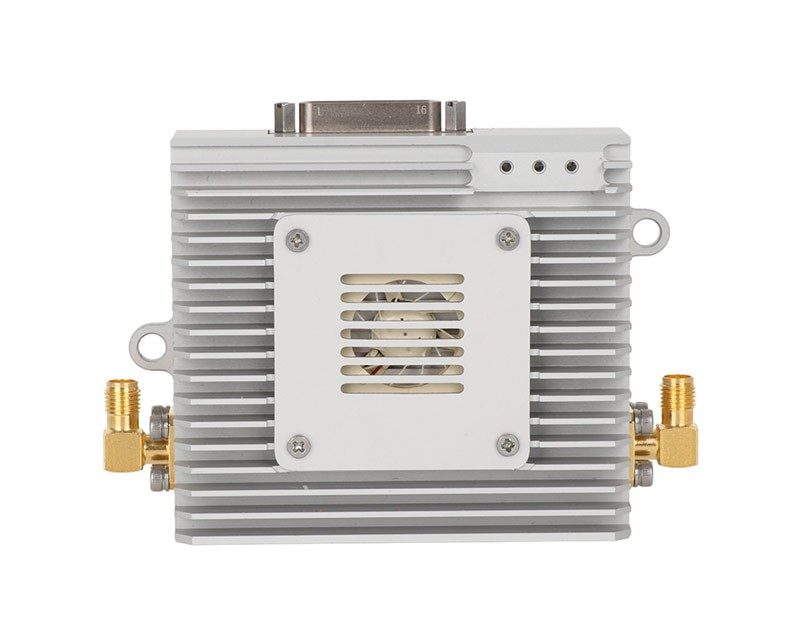
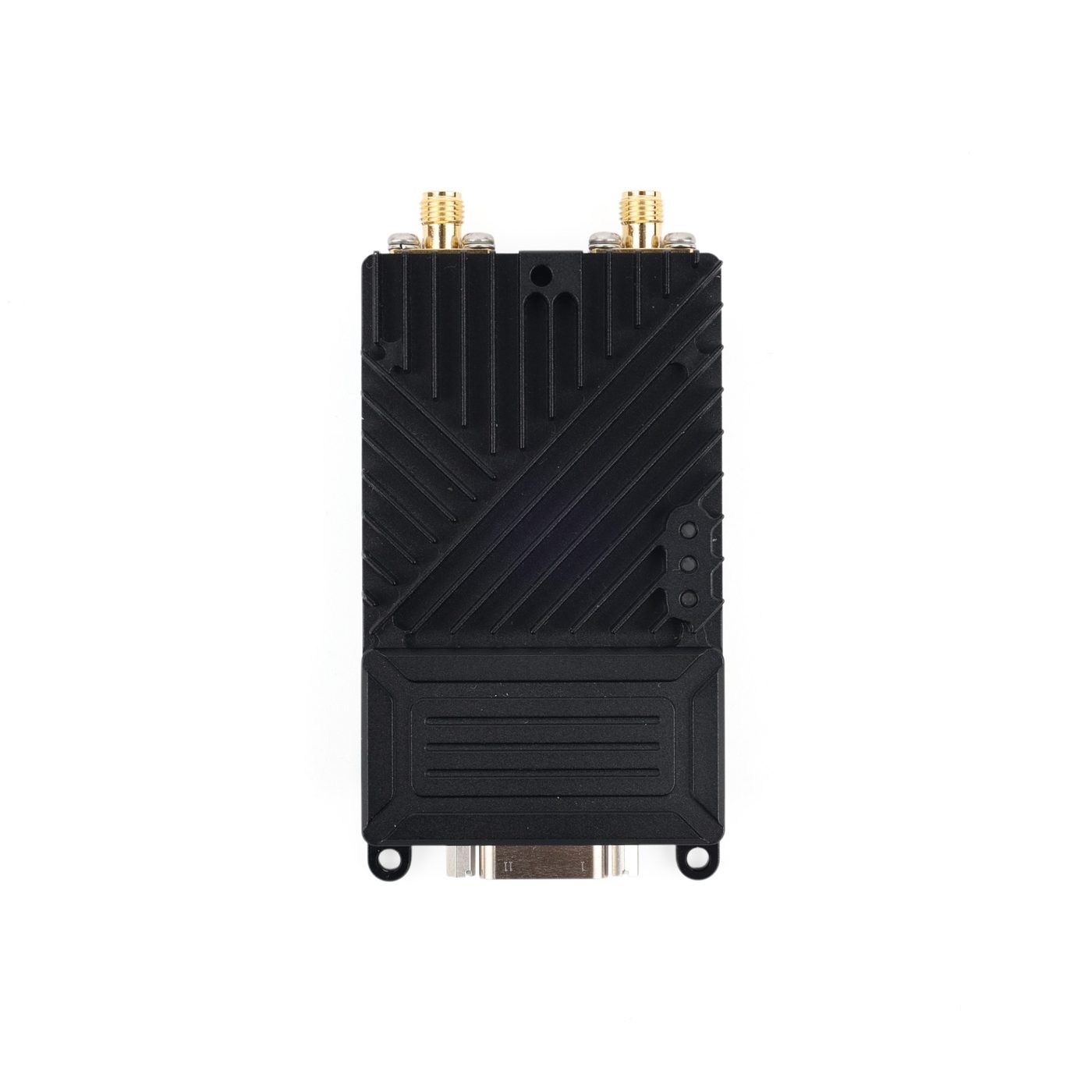
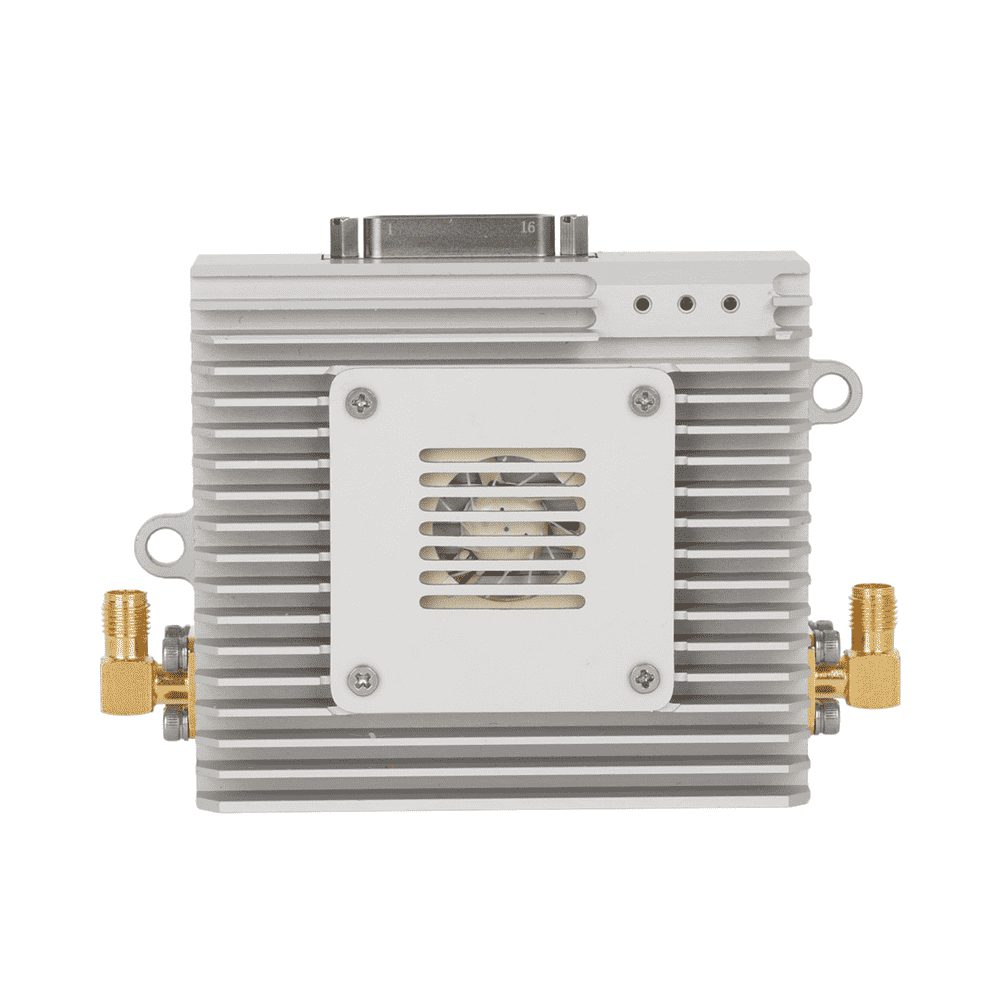
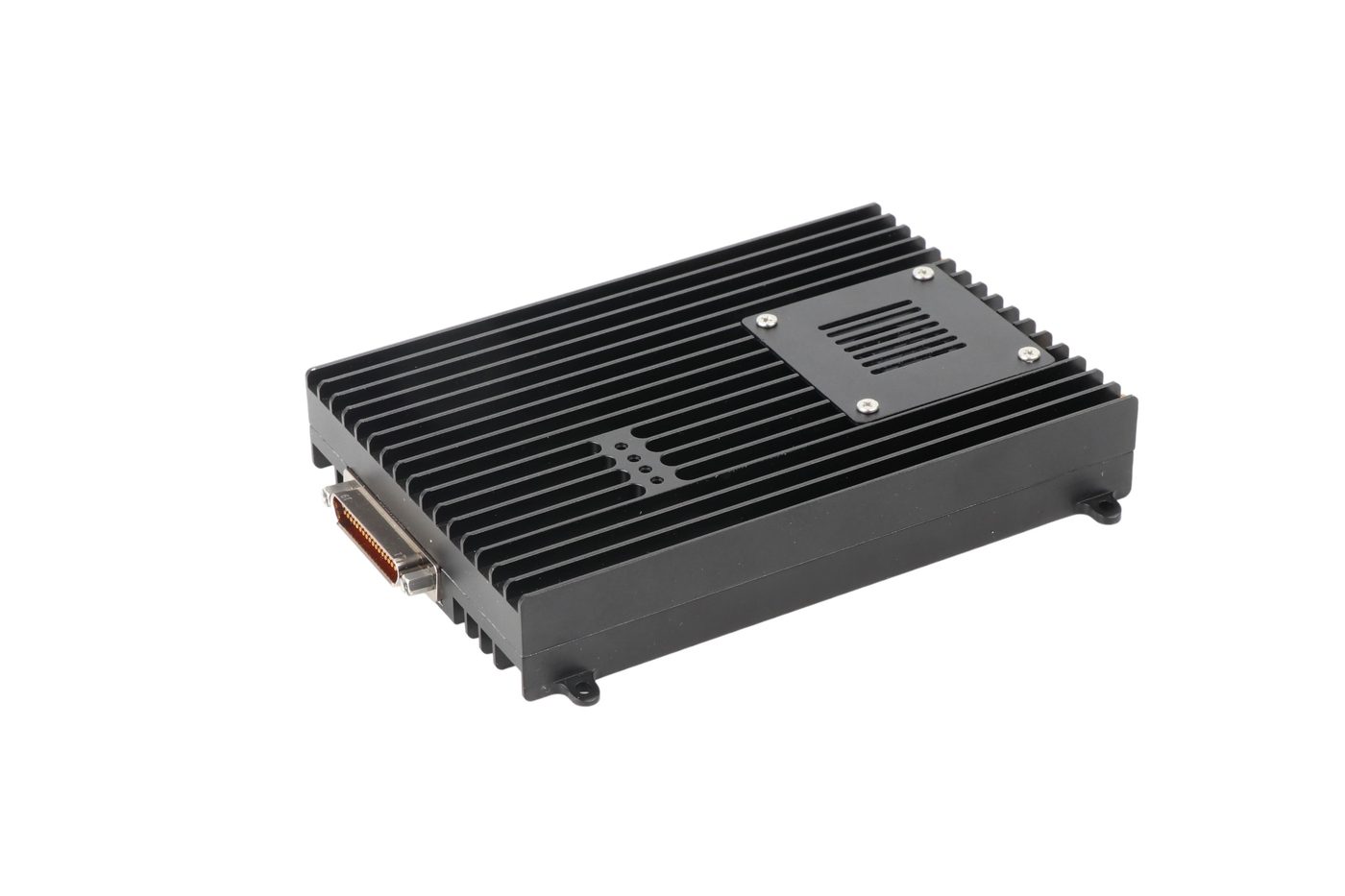
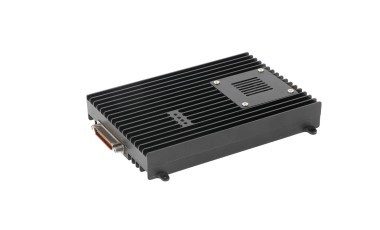
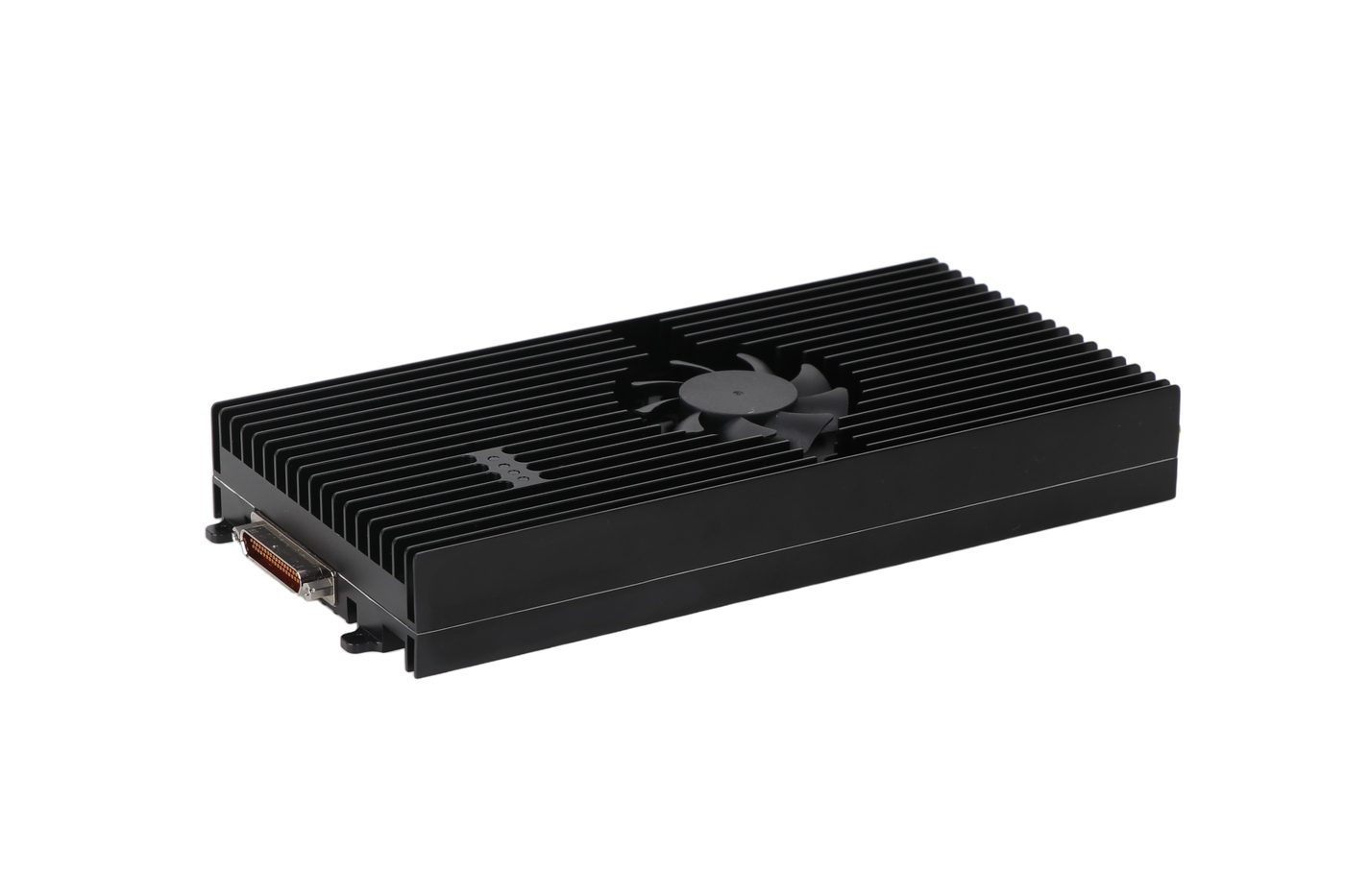
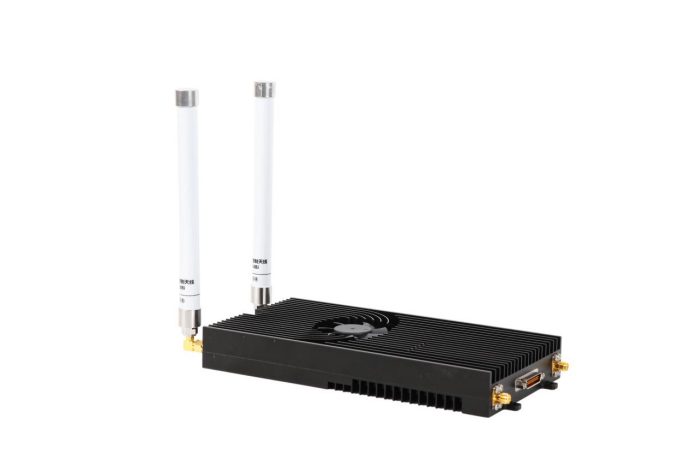
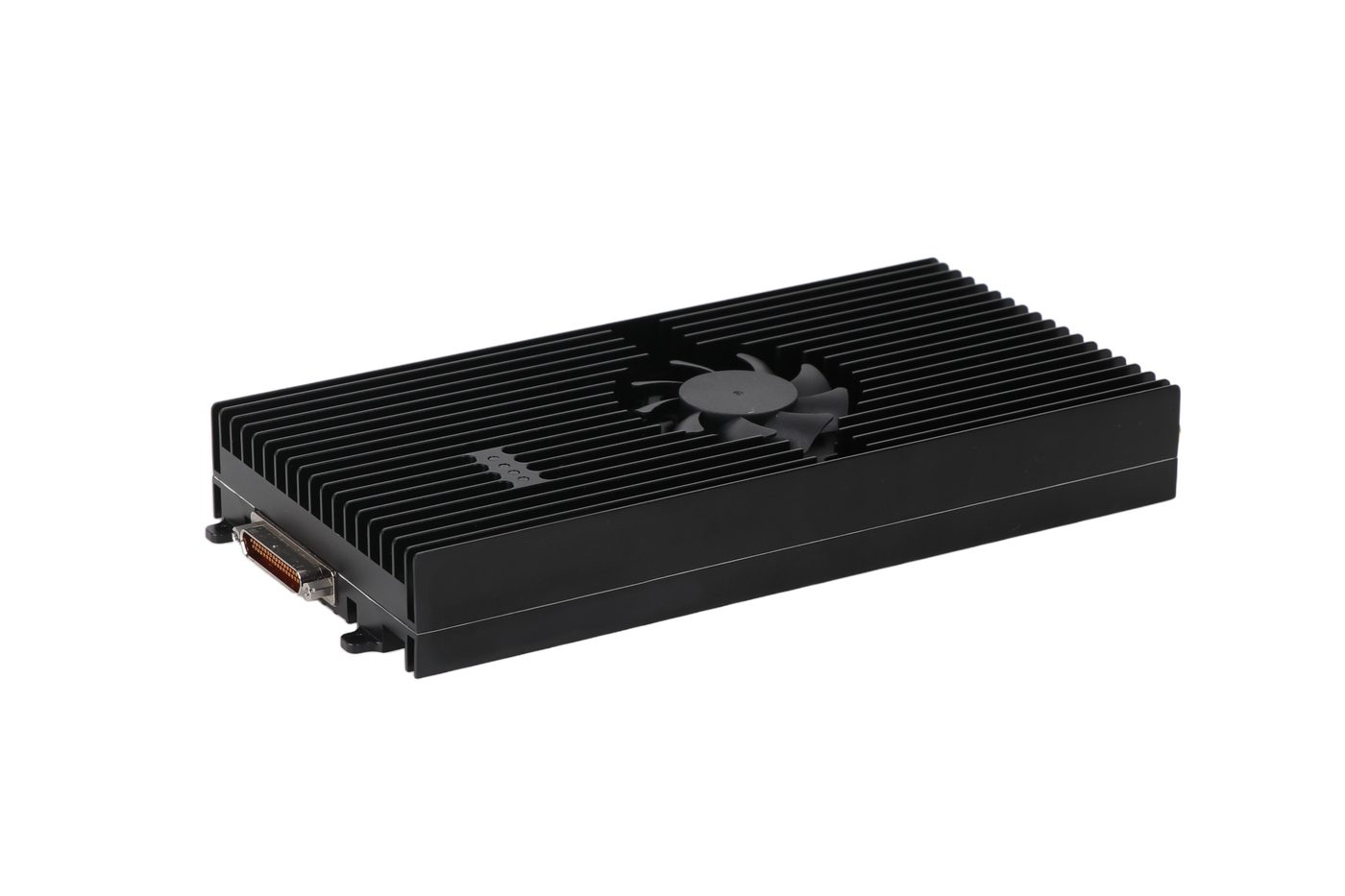
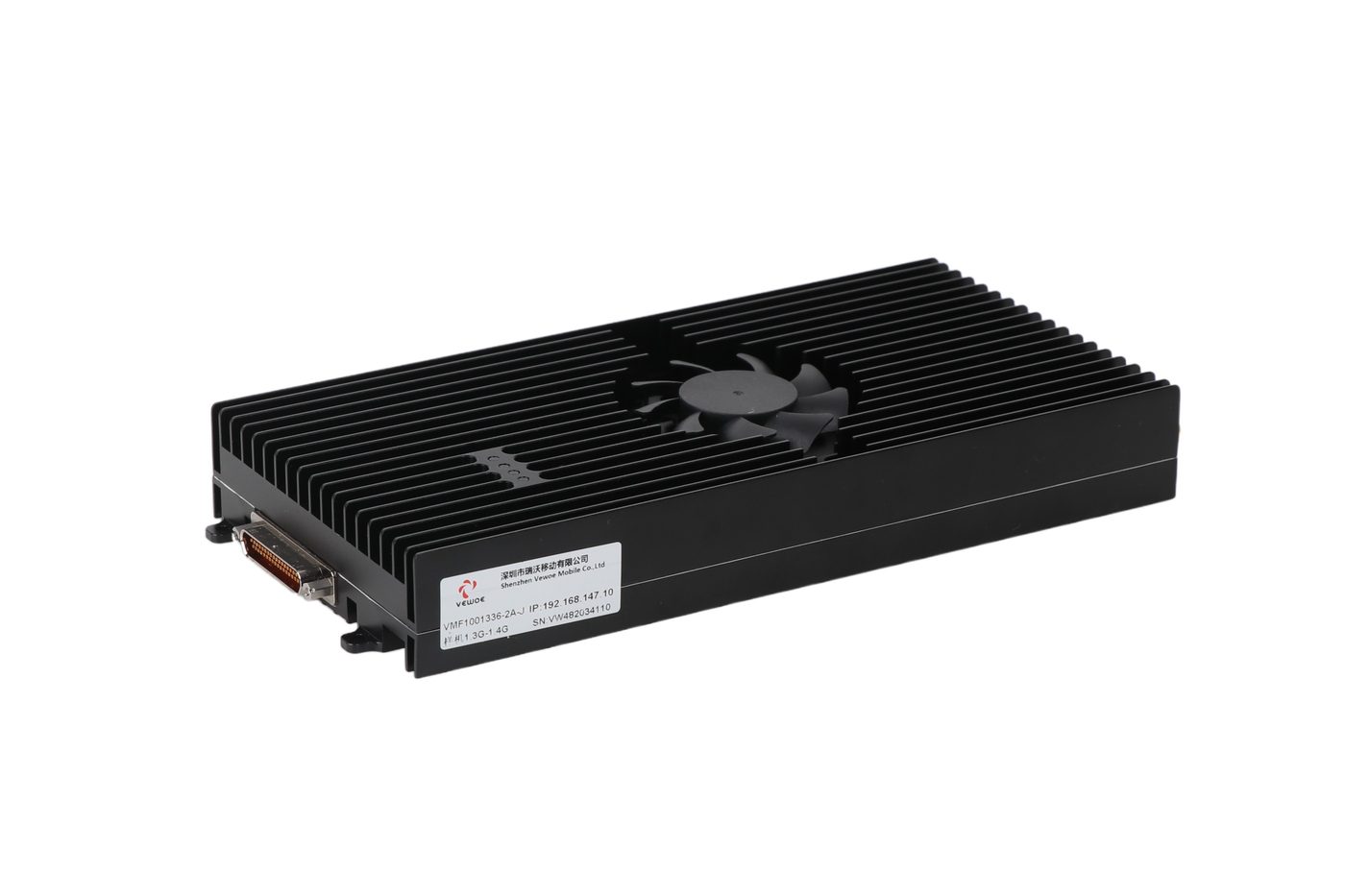
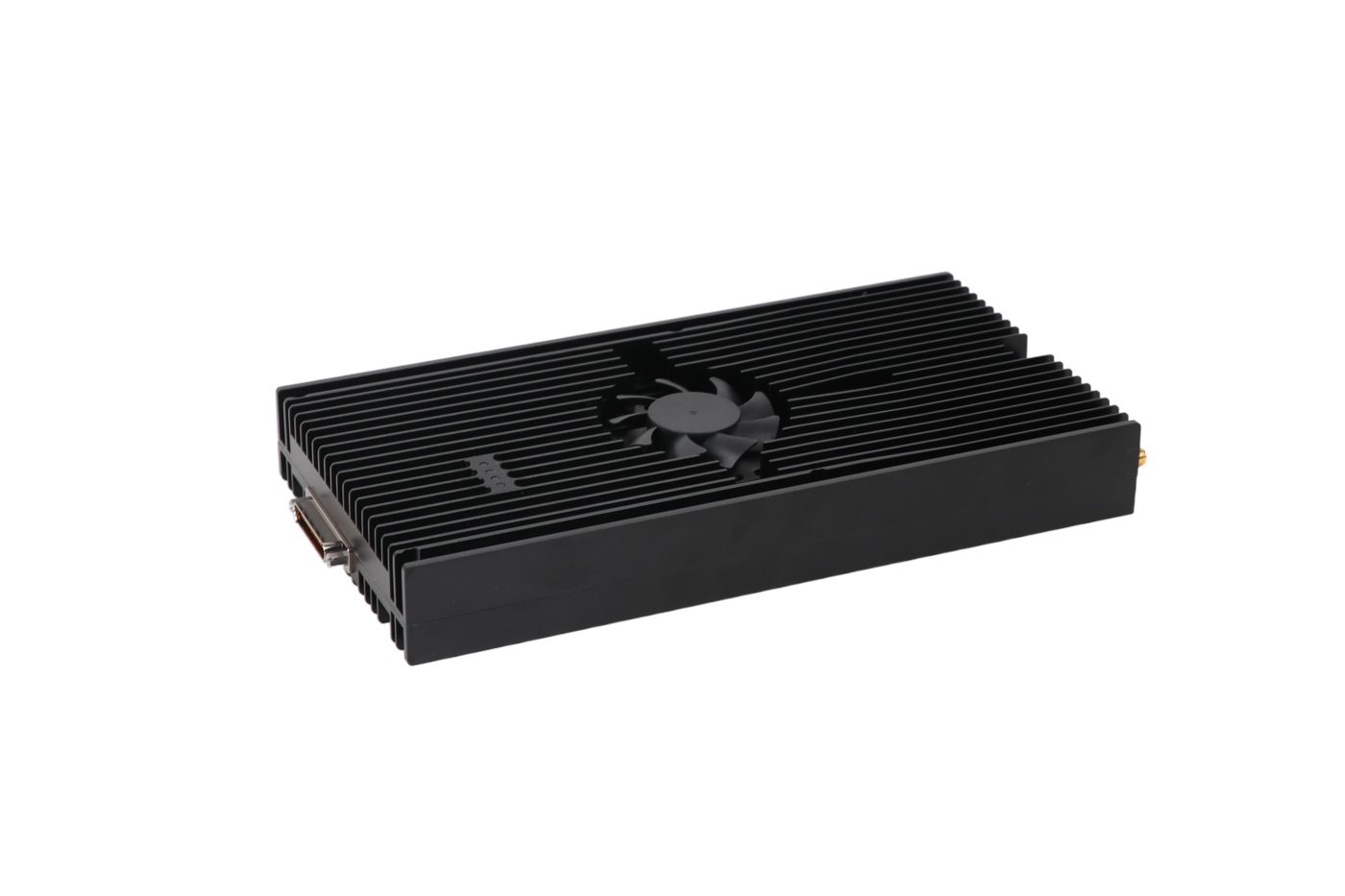
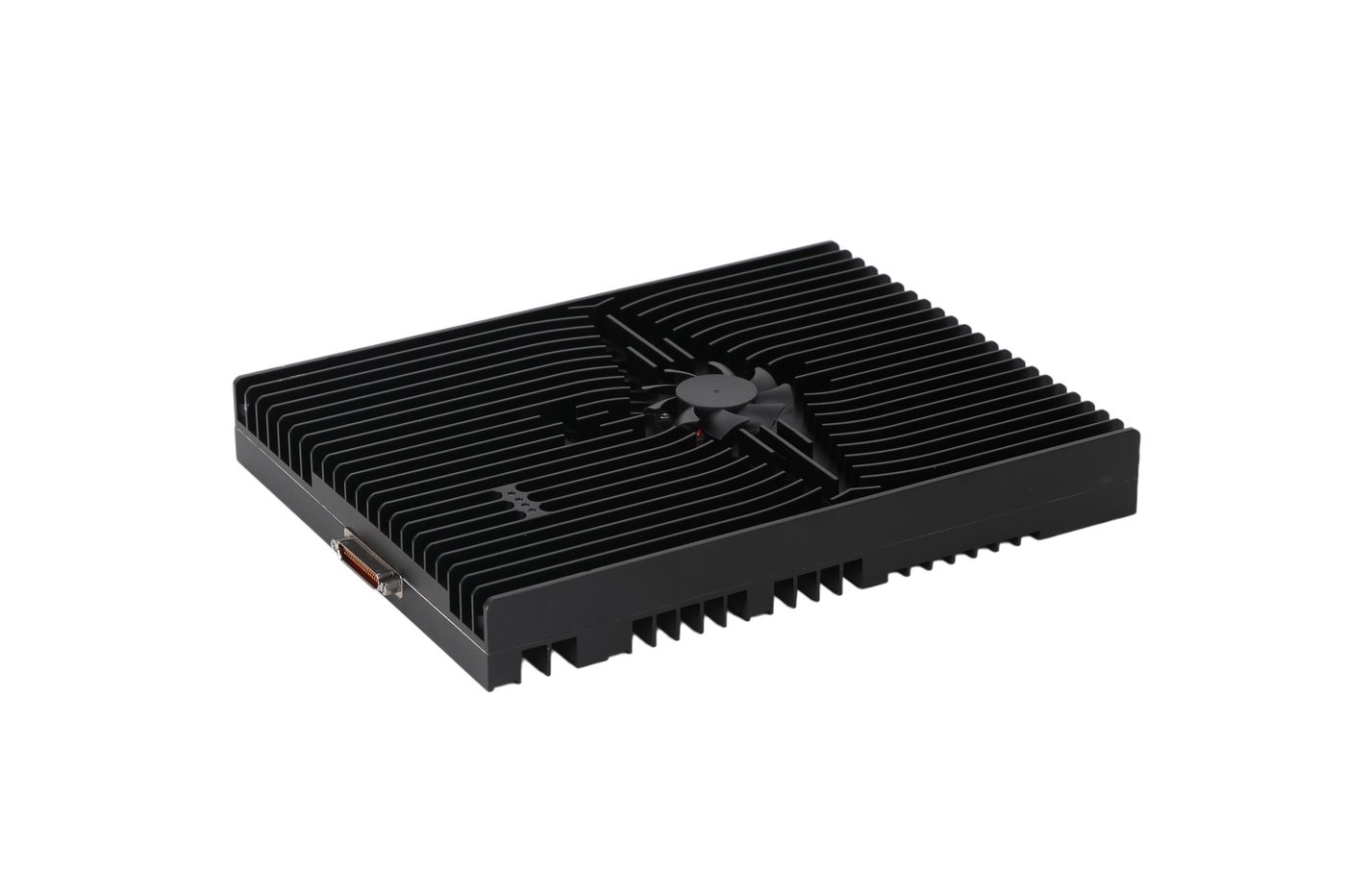
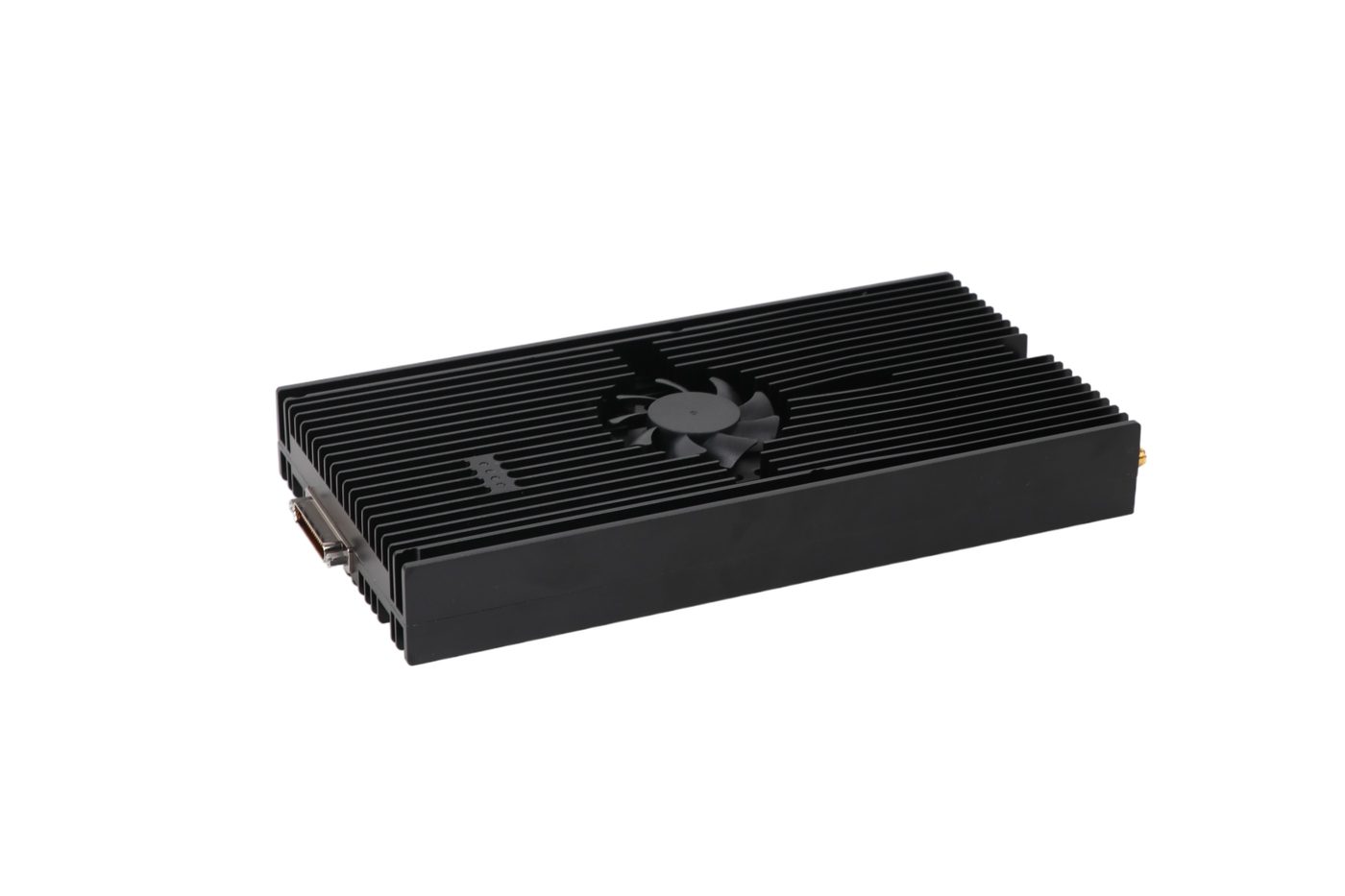
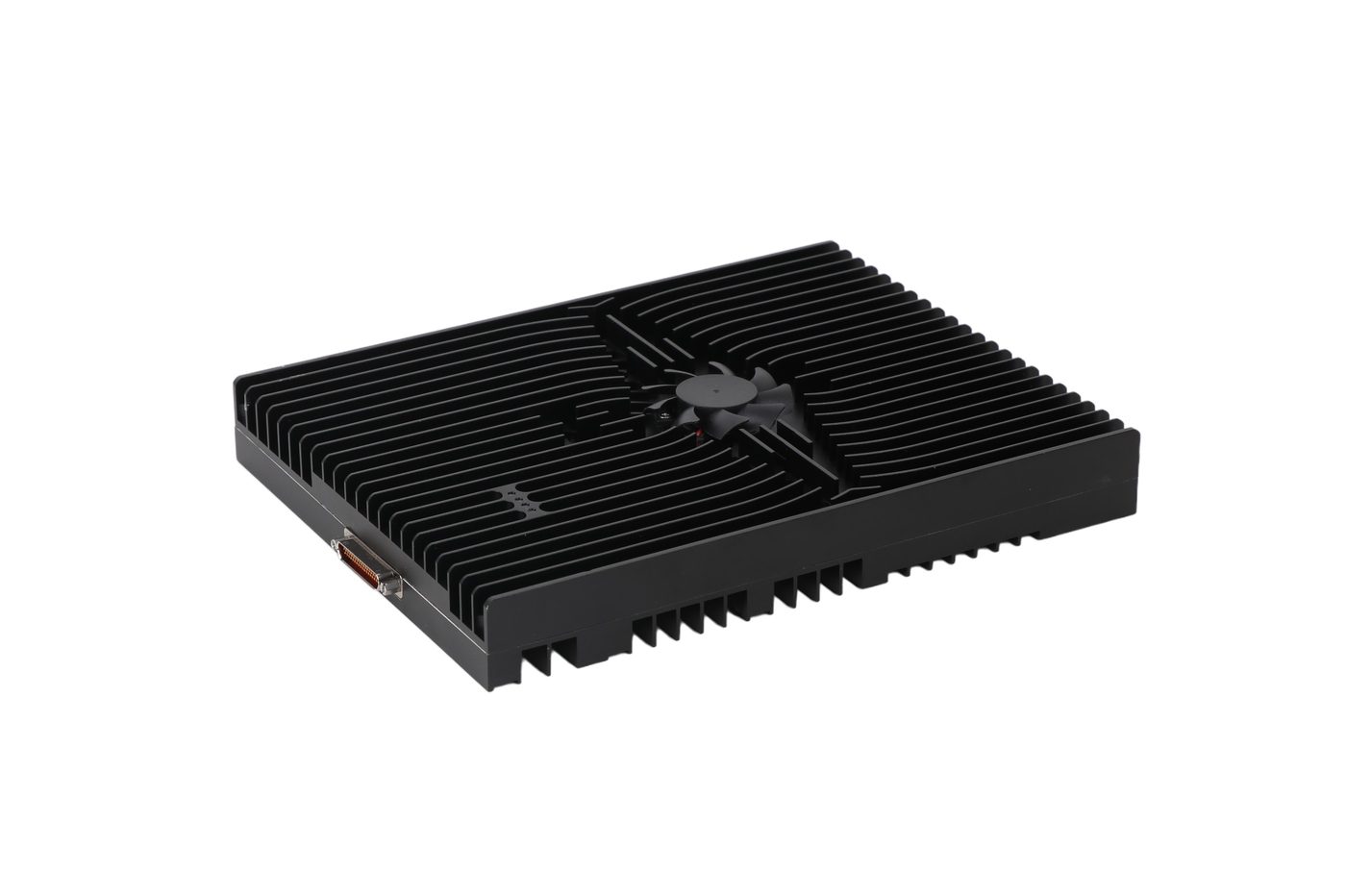
Published mesh and frequency-hopping models — per-hop range, node counts and peak throughput side by side.
Related guides and solutions
Let's build your UAV data link solution
Send us your platform, required range, and payload — our technical team responds with a model recommendation or a quote.