Solutions
IP Mesh Networking
Self-forming multi-node IP mesh radio for swarms, relay, and mobile networks — with an honest look at what mesh costs you.
What this is
An IP mesh radio builds a network by itself: every node in range joins and relays traffic for the others, so the network follows the mission instead of a fixed base station. The published mesh models carry standard IP traffic over Ethernet, which means cameras, mission computers, and ground systems connect without a bespoke protocol layer.
Mesh earns its keep in three situations: multiple aircraft that need to see each other's data, a link that must survive losing a node, and scenarios where the ground unit moves and the antenna geometry never stays ideal. The catalog spans 10 km to 100 km class mesh radios with node counts up to 64, plus dual-band variants.
Selection factors
What to weigh before shortlisting a model.
Node count vs airtime
Nodes share the same channel. Every hop retransmits, so effective per-node throughput falls as the network grows or the hop count rises. The catalog lists supported node counts (up to 32 or 64 depending on model) — size the network for what it carries, not what it can connect.
Per-hop range
Quoted range is per radio hop under LOS reference conditions. A relay chain extends the network far beyond a single hop's range, but each extra hop adds latency and costs throughput.
Latency class
The published mesh models list a 150 ms maximum latency, and multi-hop paths stack on top of that. Fine for video monitoring and IP data; not the choice for hard real-time control loops.
Band and encryption options
Mesh models cover sub-GHz to 1.7 GHz band options, some configurable to order, with AES-256/DES available on specific models. Configurable does not mean legal-to-transmit — confirm your market's rules first.
Power and mounting
Mesh radios span 88 g to 635 g in the published range with supply voltages from 12 V to 28 V. Check the mechanical and power budget early — mesh units are usually the heavier option in the catalog.
Honest guidance
- Mesh is not free capacity. If two nodes are all you need, a point-to-point link usually delivers more effective throughput for less power and weight.
- The 10–100 km figures are single-hop LOS reference values. Real mesh deployments get less per hop, especially at low altitude.
- Encryption availability differs per model (AES-256/DES on some, none listed on others) — check the model page, not the series.
- Node-count figures are supported network sizes, not throughput ratings. Ask for measured per-node throughput at your node count via the RFQ.
Test footage
Recordings from the manufacturer's own test programme — bench, field, and flight tests, each shown with the conditions it was run under.
11-Node Concurrent Data Test (VMF Series)
Eleven mesh nodes carrying data at the same time in a hangar, then the same network driven from the ground-station tool. The node count is what was on the bench that day, not a rated figure.
- Captured
- 2024-09-24
- Duration
- 54s
Mesh Through-Building Test
A mesh link carried through a building, floor by floor, from the sixth floor down to the first. Building structure is the obstruction under test.
- Captured
- 2024-12-13
- Duration
- 1m49s
Mesh Through-Building Test (2024-04)
A mesh link tested through a building, with the network view and the camera feed shown together.
- Captured
- 2024-04-19
- Duration
- 2m27s
Footage is published as recorded. Every distance figure that appears in a clip is the line-of-sight reference condition of that test, not a guarantee for your mission.
Matching models
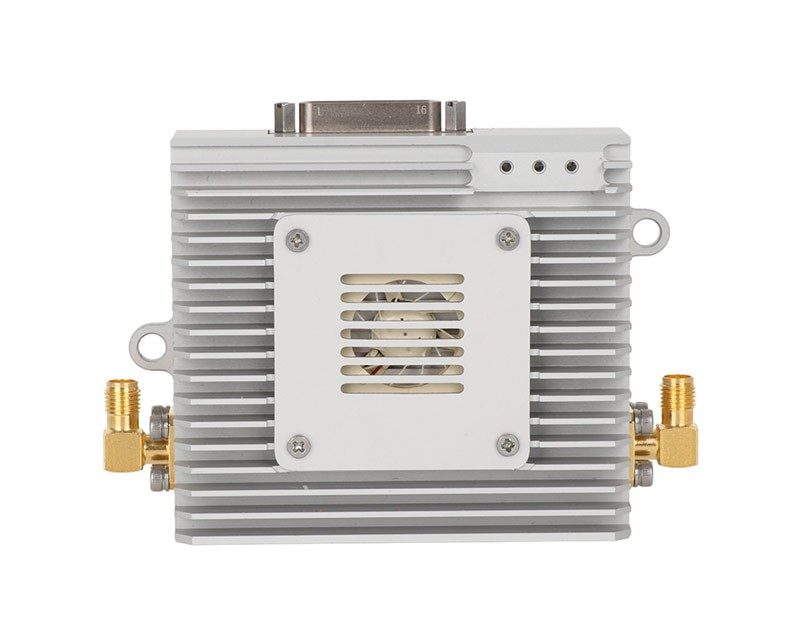
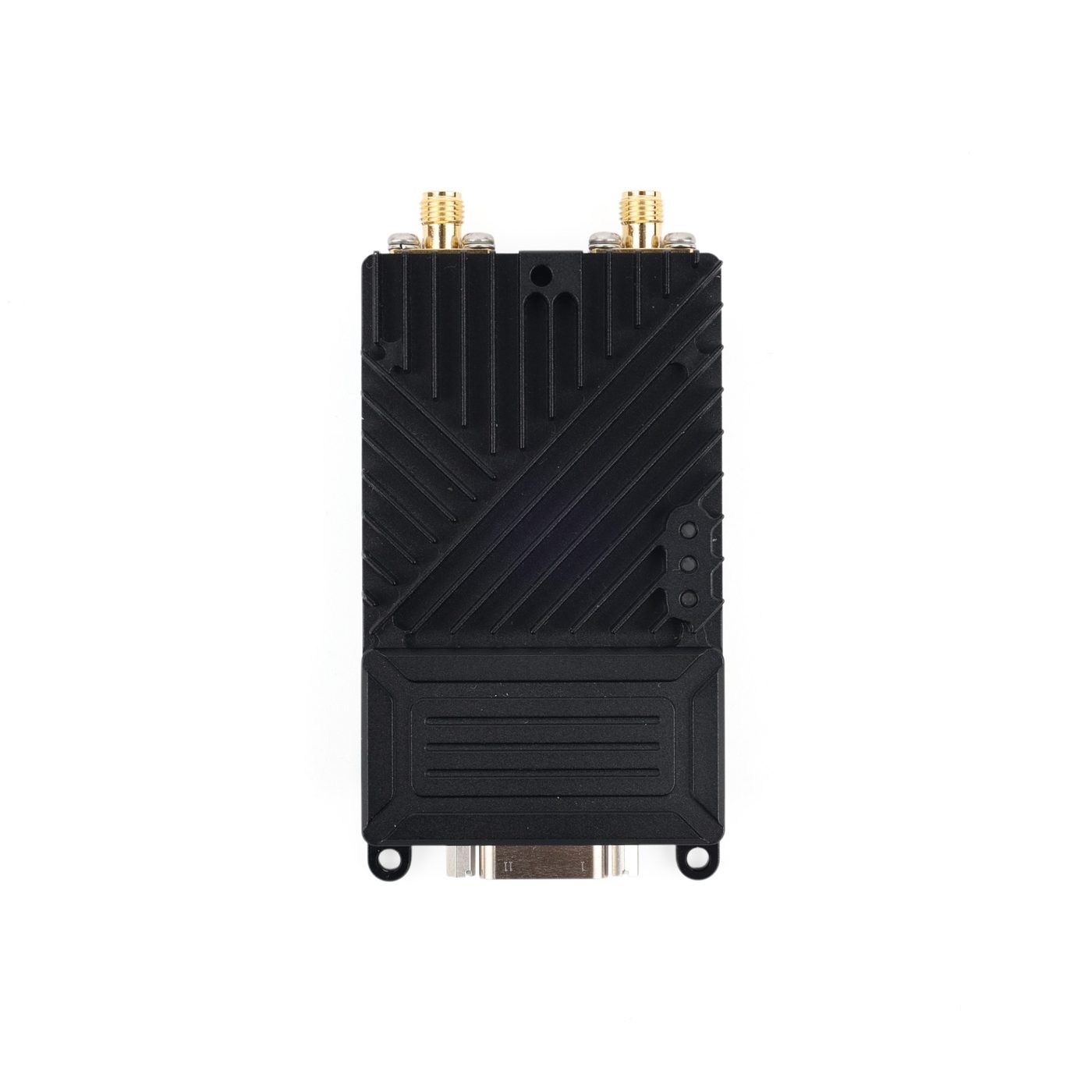
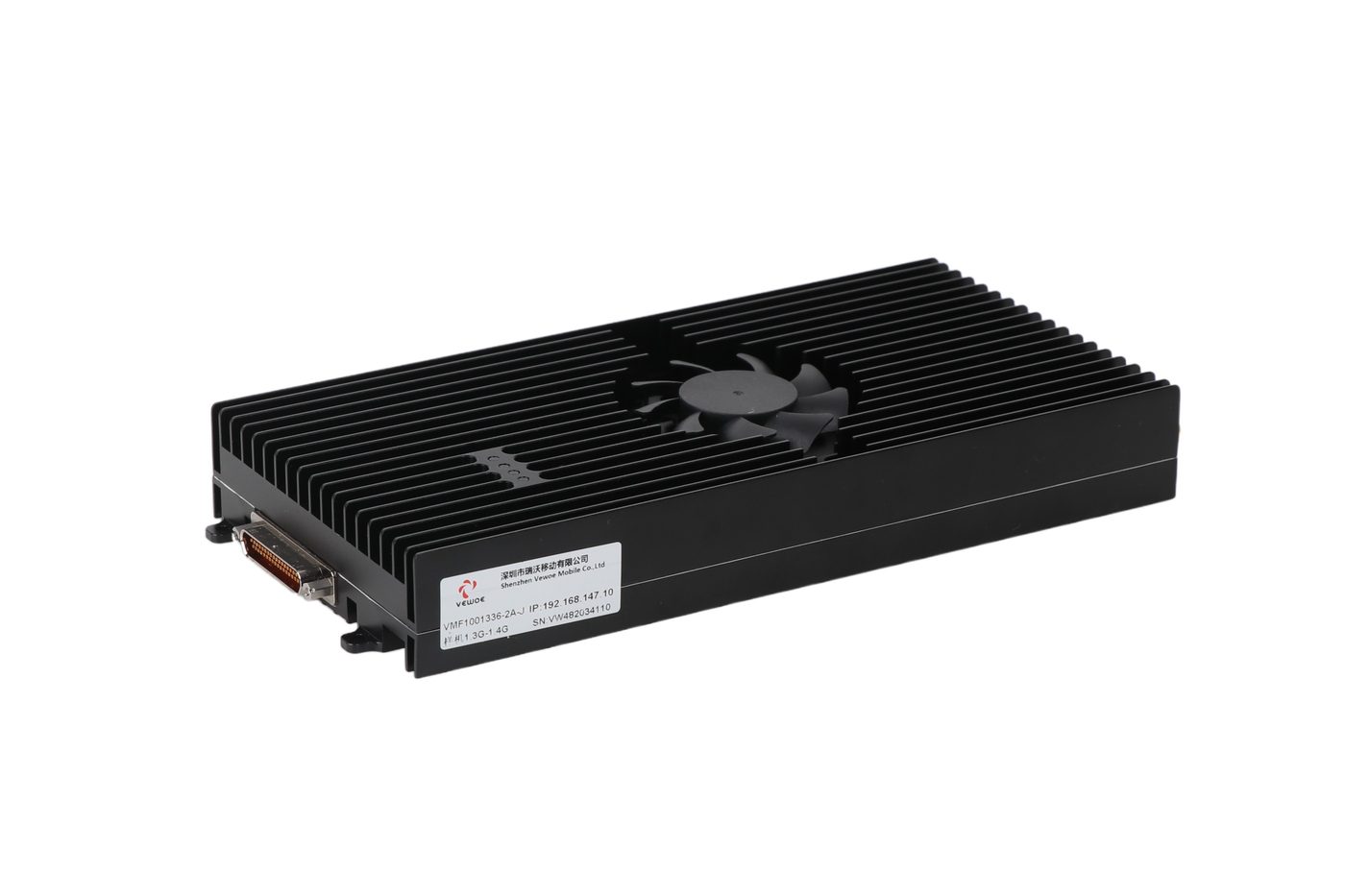
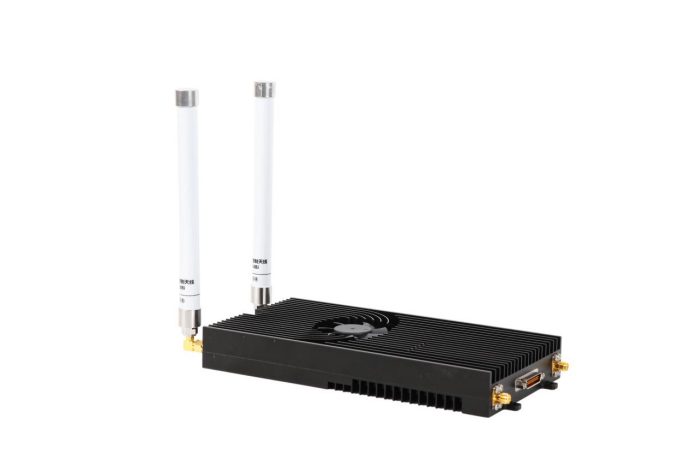
Published mesh models. Range is per radio hop under LOS reference conditions; throughput is peak, shared across the network.
Related guides and solutions
Let's build your UAV data link solution
Send us your platform, required range, and payload — our technical team responds with a model recommendation or a quote.